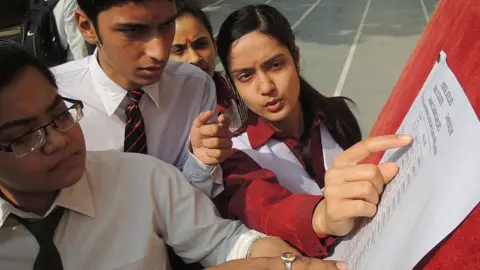
Exam cycles in 2025 have been historic, reflecting a blend of opportunities and pressures for students across India. The announcement of national and vocational exam results, such as the NCVT ITI Result 2025, has been a critical milestone for many learners pursuing vocational pathways. These outcomes not only determine academic progress but also influence career options at a formative stage.
Importantly, results — especially from major boards like CBSE — have prompted students to rethink their next steps. For instance, a significant discussion has emerged among students who scored below top percentiles, with experts encouraging them to explore alternative career paths, vocational options, and skill-based programs to expand opportunities beyond the traditional college route.
The changing exam landscape also reflects broader educational trends. Instead of focusing solely on scores, there’s increasing dialogue about how exams align with real-world aptitudes, employability, and long-term learning outcomes. Students are now considering supplemental certifications, project portfolios, internships, and skill badges to strengthen their profiles alongside traditional results.
As assessment formats continue evolving, successful students are those who adapt to multidimensional learning — combining strong exam performance with practical skills and career planning. This balanced approach can open doors to higher education, vocational training, and direct entry into the workforce.
Technological integration and revised assessment patterns are further influencing how students prepare and perform. Online evaluations, competency-based testing, and hybrid assessment models are pushing learners to focus on conceptual understanding rather than rote memorization. This transition, while challenging, is helping students develop adaptability and critical thinking—skills that are essential beyond academics.
Ultimately, success in the post-2025 education landscape belongs to students who adopt a balanced and flexible approach. By combining exam performance with practical skills, career planning, and continuous learning, learners can unlock multiple pathways—from higher education and vocational training to direct workforce entry. These trends signal a future where exams remain important, but no longer define the full potential of a student’s journey.
