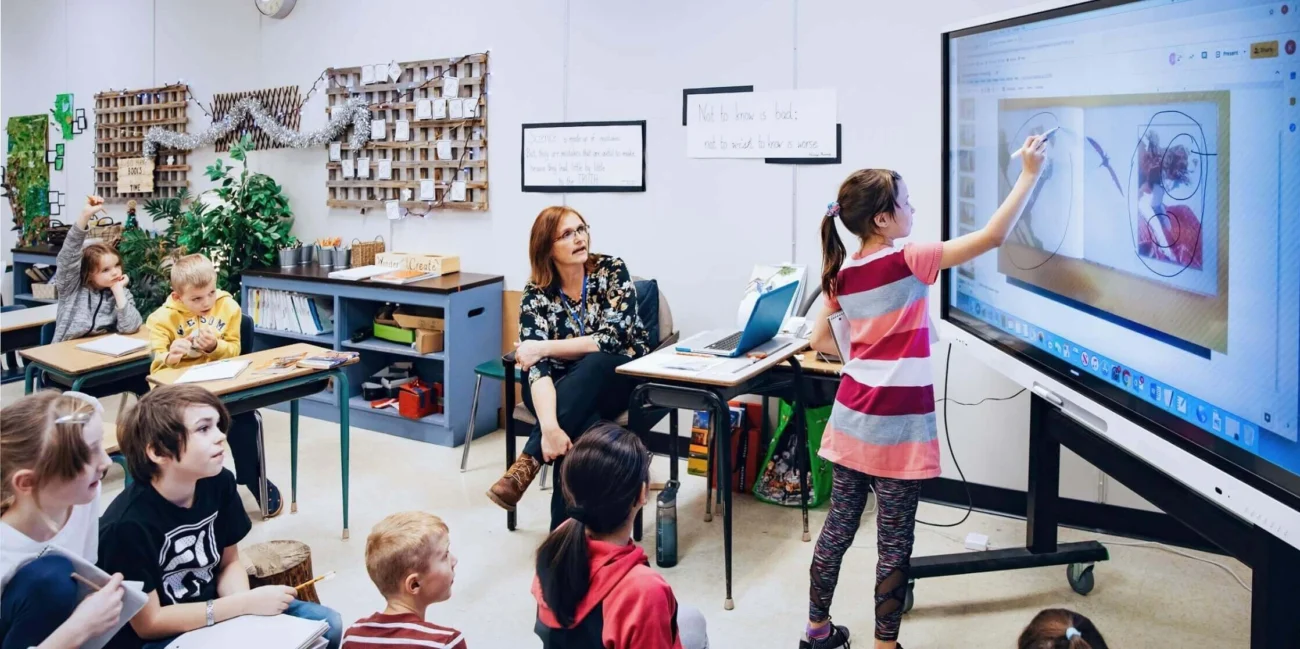
In 2025, education systems around the world — and especially in India — are undergoing significant transformations aimed at making learning more relevant, inclusive, and future-ready. After years of traditional classroom models, educators are increasingly adopting blended learning models that integrate digital tools with face-to-face instruction. These hybrid models help students learn at their own pace while also fostering collaboration and critical thinking.
A central shift has been toward skill-based and competency-based learning. Schools and higher education institutions are moving beyond rote memorisation and instead prioritising skills such as problem-solving, communication, digital literacy, and creativity. This aligns with both government policies like the National Education Policy (NEP) 2020 and employer demand for job-ready graduates.
Across India, states and regions are rolling out innovative programmes to bring these ideas to life. For instance, Kerala’s Little KITEs camps teach students modern technologies like robotics and programming — giving them hands-on experience rather than limiting them to textbooks.
At the same time, new courses are emerging that celebrate regional languages and cultures. Banaras Hindu University recently introduced an Odia studies programme to enhance language proficiency and cultural understanding through immersive learning.
Ultimately, 2025 is shaping up to be a year in which education is reimagined as an adaptive, student-centric journey that prepares learners for real-world challenges while respecting diverse backgrounds and aspirations.
